Measuring and trading result volatility: Shubham Agarwal!
The total premium is the maximum cover that the option sellers are asking for before the result. So, this can be taken as a rough estimate of the option traders’ expectation or market expectations of the post result volatility (maximum).
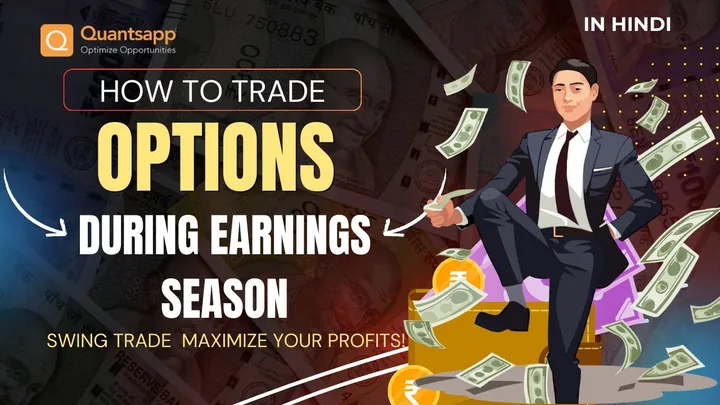
Corporate results are a good source of volatility in the market. We all know that volatility is good for the market as it gives an opportunity to trade. While directional moves are good to have, Options traders can also trade the possibility of having volatility regardless of the direction.
To trade result-related volatility effectively, we need to address this trade in 2 steps. 1st step involves measuring the volatility expected by the option traders. After that devising a strategy that involves taking the actual trade.
The trade is still what we are gauging versus what the market is gauging. The first step is to identify what is the maximum expected after the event. The easiest way to figure that out is by looking at the premiums of the strike closest to the current market price (ATM Strike).
The total premium is the maximum cover that the option sellers are asking for before the result. So, this can be taken as a rough estimate of the option traders’ expectation or market expectations of the post result volatility (maximum).
For example, we have a stock trading at 100 going into result tomorrow with expiry at month end. The stock has 100 strike Call & Put options trading at INR 2.7 and INR 3.3 respectively.
The estimate is clear that the stock can move by 2.7 + 3 .3 = 6. Post result range now can be roughly approximated at 94-106.
This concludes the 1st step. Remember, every result is different and can not be compared directly. However, there are patterns that each company more or less have. Some companies rarely surprise especially negatively; this results in lower post result volatility. On the other hand, some companies do have a track record of big volatility.
Both these groups are very obvious when we look at last 7-10 quarterly result day movement. Now, there are 2 trades here.
Trade #1 is betting on higher-than-expected volatility
Here, we have our data analytics or studies suggesting the move in the stock will be bigger than INR 6. In this case the amount of premium both Call and Put option are trading at will not be enough to cover the move.
Trade is simple, Buy Volatility by Buying both Call and Put Option at the same time. This will take investment of INR 6. If the stock gives a movement of INR 8 on the downside, the Put option will be at least INR 8 plus; remember there is some value attached to time that will be left in the Call Option. This makes trade make money instantaneously. Exit the trade within minutes of the result announcement.
Trade #2 Sell Volatility.
INR 6 is the maximum expected volatility. These premiums account for the risk of event of result. In majority of the cases Option sellers price the event accurately. Also, the risk accounting goes away after the result, so the premiums naturally fall.
Both of these possibilities can be monetized by Selling Volatility by selling both Call and Put Option of 100. However, considering the risks, it makes sense to protect by Buying 106 Call and 94 Put. This limits the losses in case of INR 8 or 10 move comes along.
First published on 5 Jul 2025: prices, lot sizes and expiries are those of that time. They are illustrations for education only, not investment advice. Derivatives trading carries risk; read all scheme and risk documents before trading.